
Leadership Essentials
Leadership is more than a title, it is a mindset and a skillset
Here, you’ll find guidance on essential skills like delegation, motivation, and decision‑making skills that help every team member build trust, work collaboratively, and navigate challenges with confidence. These fundamentals strengthen our culture of accountability, collaboration, and continuous improvement, no matter your role.
Leadership starts with self‑awareness and a willingness to grow. This page also highlights the importance of personal accountability, clear communication, and inclusive behaviors that help everyone feel valued and supported. You’ll find tools to help you set expectations, follow through on commitments, and show integrity in your everyday actions.

Core Leadership Topics
Effective leadership is built on practical, actionable skills that shape how we lead ourselves and support those around us. Core topics like delegation, motivation, and decision‑making help every team member contribute to a high‑performing, engaged workplace. These skills strengthen trust, clarity, and collaboration while fostering a supportive and inclusive environment.
Whether you guide a team, collaborate as a peer, or influence through your expertise, mastering these fundamentals empowers you to lead with purpose and make a meaningful impact in your role.
Delegation
Delegation helps prevent burnout, builds trust, and ensures that work is handled by the people best equipped to do it. It strengthens accountability and supports a culture of ownership and continuous improvement.
Delegation isn’t just for formal leaders- everyone can practice it. When team members share responsibilities, ask for support, and empower one another, they strengthen collaboration and develop their own leadership skills. It also helps individuals focus on meaningful work, build confidence, and grow their abilities.
When each person takes responsibility for leading themselves and supporting the success of others, we create a workplace where everyone can become the best version of themselves.
Why is delegation so important?
Delegation helps prevent burnout, promotes accountability, and ensures that the right people are doing the right work. It also helps build trust, which strengthens relationships and encourages initiative.
Leaders who delegate effectively create a culture of ownership and continuous improvement.
"Surround yourself with great people; delegate authority; get out of the way."
— Ronald Reagan
A reminder that effective leaders empower others and step back to let them lead.
Tips for Delegating: Know Your Team’s Strengths!
Match tasks to people based on their skills, interests, and development goals. For example, if a team member is great with detail, delegate data tracking or reporting tasks to them.
-
-
-
Be Clear and Specific: Define the task, expected outcomes, deadlines, and any constraints. Avoid vague instructions, clarity sets everyone up for success.
-
Support Without Micromanaging: Check in, but give space for autonomy. Offer guidance when needed, but let your team take ownership.
-
Celebrate Different Approaches: Your way isn't the only way, embrace how others solve problems and recognize their contributions.
-
Follow Up and Recognize Effort: Acknowledge contributions and celebrate wins. Feedback and appreciation reinforce positive behaviors and build confidence.
-
-
Motivation
Motivation is what drives individuals to perform at their best, stay engaged and contribute to their team and organization. As a leader, your ability to inspire and energize others can directly impact morale, retention and overall performance. Whether you are leading a small team or an entire department, understanding what motivates people is essential and no, it is not with pizza parties!
What Motivates Your Team?
We cannot tell you what motivates your team, each team and community is individual in their own way. Understanding what motivates your team begins with connection. Start by having one-on-one conversations with your team members and ask them open ended questions such as:
-
- What part of your job do you enjoy most
- What helps you feel appreciated at work
- What are your professional goals this year
You can also use simple tools like motivation style quizzes or preference surveys to gather insights. An easy platform for this is through Microsoft Forms tool to create online surveys, forms, polls, and quizzes. The key is to listen, observe and make changes to help motivate people.
Motivation strategies
-
-
Understand what drives your team- Learn what matters most to each person whether its recognition, growth, purpose or flexibility. Whether you are leading a team of 5 housekeepers or a team of 40 nurses, take the time to better understand what matters most to each person.
-
Celebrate progress, not just results- Acknowledge small wins to keep the momentum and morale high. It may take some longer to achieve a goal then others, but celebrate their progress as they move towards the finish line.
-
Create a positive work environment- Foster collaboration and respect. If you feel the morale is low in your community, just remember change can start with YOU and YOUR department.
-
Tools and Resources to Build Motivation
Motivational Quiz
Recognition
-
-
IMPACT card. Located with your Administrator or HR
-
SMART Goal Setting Worksheet Template
Recommended Reading on Workplace Motivation
-
- Why Motivating People Doesn’t Work… and What Does by Susan Fowler
- Trust and Inspire by Stephen M.R. Covey
- Chief Inspiration Officer by Val Ries
Decision Making
Decision‑making influences everything from daily operations to long‑term success. Your ability to make timely, thoughtful choices affects not only your own work but also the experience of your teammates and the individuals we serve. Whether you’re determining which room changes to make, prioritizing tasks, or helping resolve a resident concern, your decisions shape the quality of our community and how smoothly we function together.
Effective decision‑making isn’t about having the perfect answer every time. It’s about being intentional, accountable, and open to learning from each outcome. When we approach decisions with clarity and care, we strengthen trust, improve collaboration, and contribute to a safer, more supportive environment for everyone.
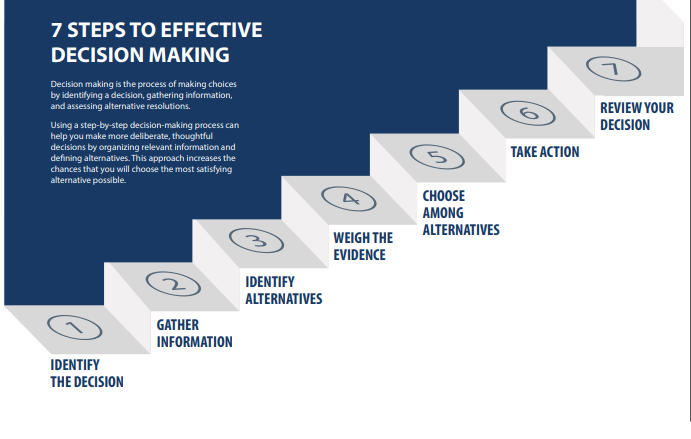
What Makes a Good Decision?
-
- Informed Decisions: Based on facts, data and input from others
- Timely: Made with urgency when needed, but not rushed. Think about the whole picture
- Alignment: Base decisions on your values, goals, and organizational priorities
- Inclusive: Consider the perspectives of those affected
- Accountable: You own the outcome good or bad and learn from it.
Leadership Growth and Integrity
Inclusive Leadership
Inclusive leadership begins with understanding your strengths, recognizing areas where you can grow, and remaining open to learning from the people around you. It is not about having every answer. It is about listening, adapting, and creating an environment where others feel respected, valued, and able to contribute fully.
The practices in this section, including accountability, performance management, and inclusive behaviors, are important for everyone regardless of role or title. When each of us communicates clearly, follows through on commitments, and considers the perspectives of others, we help build a workplace where people feel supported and empowered to do their best work.
Whether you lead a team, collaborate closely with peers, or influence through your everyday actions, practicing inclusive leadership strengthens trust and contributes to a positive, welcoming culture for all.
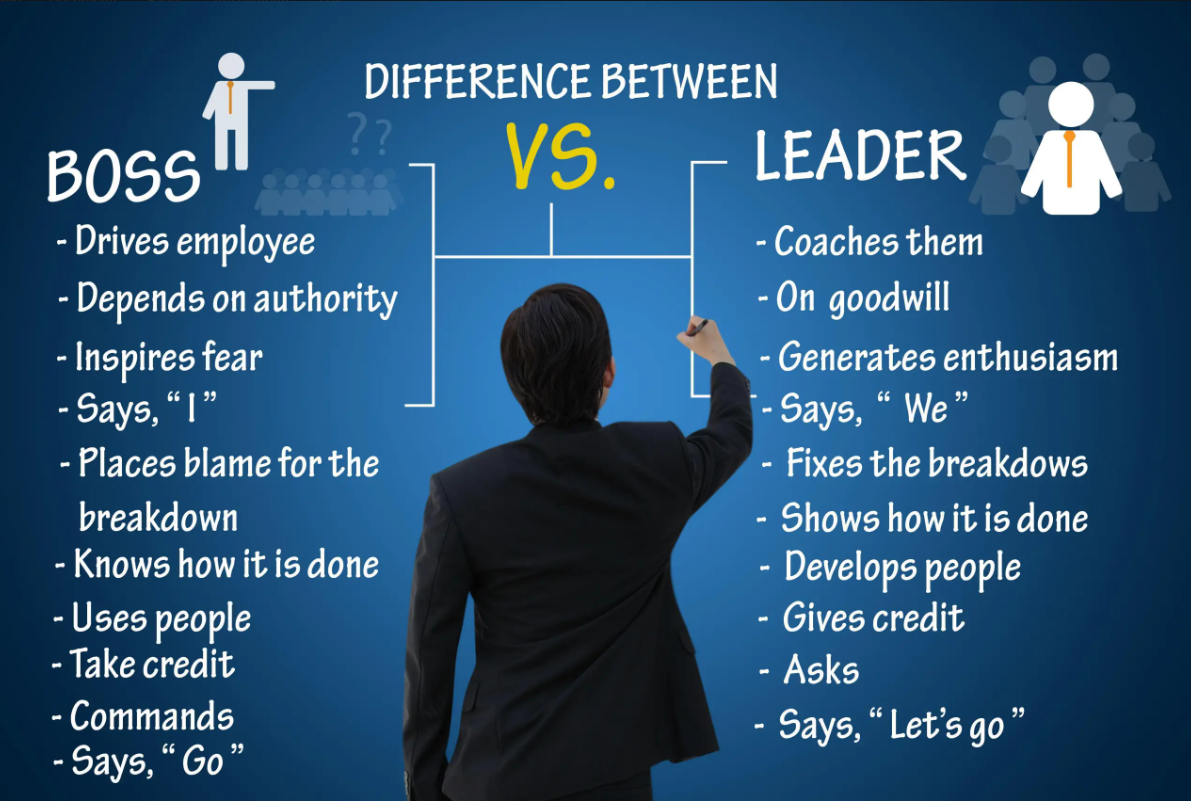
Accountability means owning your actions, following through on commitments and creating a culture where others do the same. The team members who model accountability build trust, reduce confusion, and improve team performance.
So, how do you strengthen your accountability? It starts with self-awareness. Be mindful of the promises you make to others whether it's a bonus on a paycheck, or telling a resident “I'll be right back.” Follow through on your word, and when mistakes happen, own them and learn from them. Accountability isn't just about holding yourself to a standard, it's about holding others accountable in a fair and respectful way.
Having conversations about accountability can be challenging. Not everyone fully understands what accountability is and some may deflect blame. For example, “I didn’t take out the trash because the shift before me didn’t do it.” The first step is to clarify expectations. Make sure roles and responsibilities are clearly defined, and reinforce that accountability is about doing your part regardless of what others do. When leaders consistently model accountability, it sets the tone for the entire team.
Building accountability as a leader is as much about taking ownership of your actions and their outcomes as it is about the example you set for those around you. Lead with integrity and others will follow you.
Responsibility and accountability go hand in hand most times, but don't get them confused. Responsibility is about fulfilling the roles that have been assigned to you, while accountability is how you respond to the results of your actions. Setting clear expectations, establishing ways to measure progress, encouraging honest feedback and working together on solutions are all essential parts of being an accountable leader. Accountability creates a culture of trust and consistency, and with that success will naturally follow.
Performance Management is more than just annual reviews, it is an ongoing process of setting goals, providing feedback and supporting growth of our team members. As a leader, your role is to create clarity and offer consistent support so that each team member can succeed in their role.
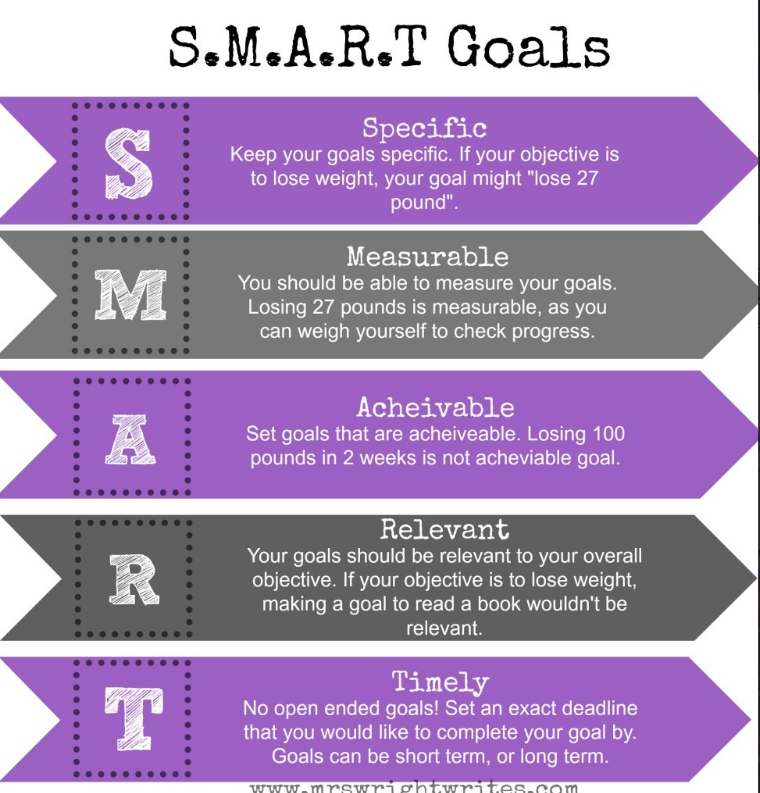
We’ve added SMART goals (Specific, Measurable, Achievable, Relevant, and Time-bound) to each key practice to help you lead with intention and track progress effectively.
Do you feel confident in your performance management skills? Lets see where we can strengthen them!
Hold Regular Check-Ins: Schedule short, consistent one-on-one meetings at the same time every week. These scheduled conversations build trust and help you stay connected to your team.
SMART Goal: By the end of this month, establish weekly 15-minute one-on-ones with each direct report, scheduled on a recurring calendar invite, and maintain at least 90% consistency in attendance over the next 3 months.
Give Constructive Feedback:
Constructive feedback should be specific, timely, and focused on solutions. A supportive tone helps others feel encouraged rather than criticized. For example:
Shift Handoff Missing Details
What to say:
“I noticed a few details were missing in the shift report. Can we walk through a quick checklist together so we both feel confident everything’s covered next time?”
Why this works:
Specific, collaborative, and focused on improvement.
Coworker Struggling with Time Management
What to say:
“I saw you were really rushed during med pass today. Is there anything we can reorganize or share so it feels more manageable tomorrow?”
Why this works:
Shows empathy while offering support.
Resident Interaction
What to say:
“I noticed Mrs. Carter seemed upset during the conversation earlier. Let’s talk about what happened and explore a way to approach it differently next time.”
Why this works:
Addresses behavior without labeling the person.
SMART Goal: Offer at least one piece of constructive, supportive feedback each week, and note it in a feedback or reflection tracker. Follow up within seven days to check on progress and provide additional guidance if needed.
Recognize Effort and Progress:
Recognition should not wait for perfection. Acknowledging small wins, steady improvements, and consistent dependability boosts morale and reinforces positive behaviors. When people feel seen and appreciated, they are more engaged, more confident, and more likely to continue contributing at a high level. It is easy to overlook individuals who reliably meet expectations because their excellence becomes familiar, but they deserve appreciation just as much as those making visible improvements.
Recognition does not have to be formal or elaborate. A simple acknowledgment such as “I see the great work you’re doing” or “Thank you for stepping in today” can create a meaningful moment of connection. Over time, these small gestures strengthen trust, build a supportive culture, and remind team members that their efforts matter.
Recognizing progress also encourages a growth mindset. When we highlight positive steps, even small ones, we help others understand that improvement is noticed and valued. This creates an environment where people feel motivated to keep learning, taking initiative, and supporting their team.
SMART Goal: Provide at least two forms of recognition per month (verbal, written, or public). If you work with a large team or group, aim for at least five recognitions per month to ensure appreciation is shared consistently.
Why Are SMART Goals Important for Leaders?
-
- Creates Clarity
Vague goals like “improve communication” become clear when reframed as: “Hold weekly huddles every Monday at 9 AM to share updates.” - Drives Accountability
Measurable goals allow both leaders and team members to track progress and stay accountable. - Boosts Motivation
Achievable goals help team members feel successful and build momentum. - Aligns Efforts
Relevant goals ensure everyone is working toward shared priorities, reducing wasted effort. - Improves Time Management
Time-bound goals encourage focus and help prevent procrastination.
- Creates Clarity
If you're interested in enhancing your leadership skills even further, be sure to check out our Certification and Skill Advancement Center on Saber University. You'll find curated courses and recognized certifications designed to help you grow in areas like delegation, motivation, decision-making, accountability, and inclusive leadership.